Introduction
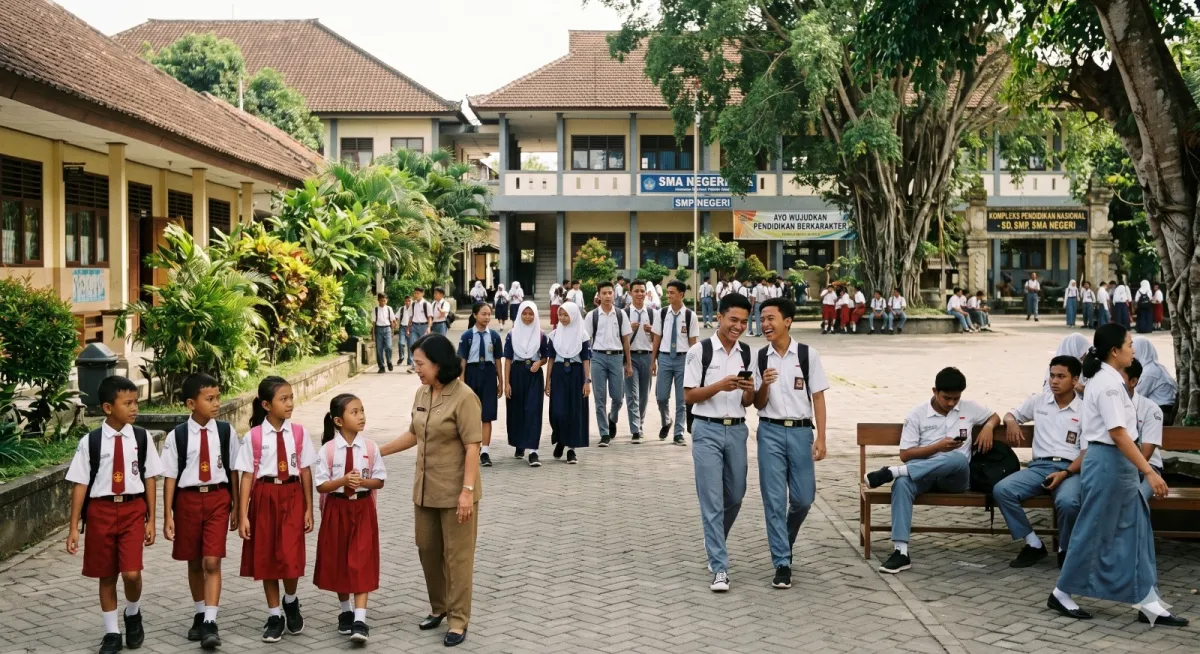
Education is not merely a vehicle for the transfer of knowledge, but also a medium for the transfer of values. In Indonesia, educational institutions from elementary school (SD) to senior high school (SMA) have historically borne the immense responsibility of shaping the character of the younger generation through moral education (pendidikan akhlak). However, contemporary dynamics reveal a concerning phenomenon: the content of moral education is steadily diminishing; in some aspects, it is even considered to have been eliminated and replaced by a pragmatic curriculum orientation.
Shifts in Nomenclature and the Reduction of Meaning
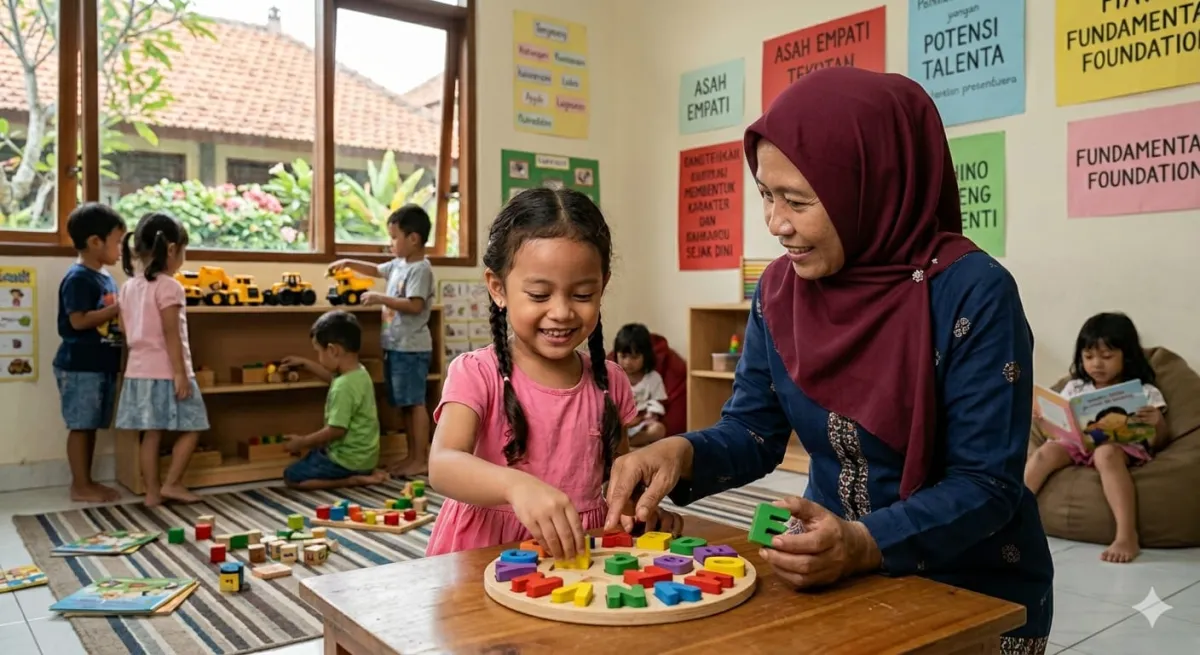
Lexically, akhlak refers to character, morality, or behavior. In previous decades, moral education stood firm as the primary foundation of social interaction in schools. Students were explicitly taught etiquette, respect for educators, and social empathy.
However, along with successive curriculum changes, this focus has undergone a shift in both terminology and substance. Moral education is now frequently merged into or replaced by more secular and universal concepts, such as "Character Education" or global work-competency-based values. Although the essence sounds similar, implementation on the ground often loses the spirit of spirituality and mentorship inherent in the pure concept of akhlak. Character education tends to get trapped in administrative paperwork and cognitive assessments, rather than the internalization of daily behavior.
Tangible Impacts in the School Environment
The impact of the reduced portion of moral education is highly visible in contemporary life:
- Moral Decadence: The rise in cases of bullying, student brawls, and disrespectful behavior by students toward educators reflects a spiritual void that the modern curriculum has failed to fill.
- Educational Pragmatism: Schools are now more frequently evaluated based on academic achievements, exam scores, or success in passing students to the next level. Consequently, the aspect of cultivating noble character is sidelined.
- Crisis of Role Models: When moral values are no longer the primary indicator of success, the school ecosystem loses a solid moral standardization.
Solutions and Recommendations
Moral education must not be viewed as an obsolete subject fit to be replaced by modernization. Several strategic steps that can be taken include:
- Reintegration of Values: Re-incorporating moral indicators explicitly into every subject, rather than treating them merely as an afterthought in specific classes.
- Active Role Modeling: Teachers and school authorities must serve as primary role models (uswah) in behavior, as morality is taught through observation, not just theoretical memorization.
- Synergy of the Three Educational Centers: Aligning the values taught in schools with the family and community environments so that character building occurs continuously.
Conclusion
Replacing or reducing moral education under the pretext of modern adaptation is a fundamental mistake. Technological advancement and intellectual brilliance without the guidance of a solid moral compass will only produce a generation that is cognitively sharp but morally fragile. It is high time for our educational system to strike a balance between intellectual intelligence and nobility of character for the sake of a dignified future for the nation.