
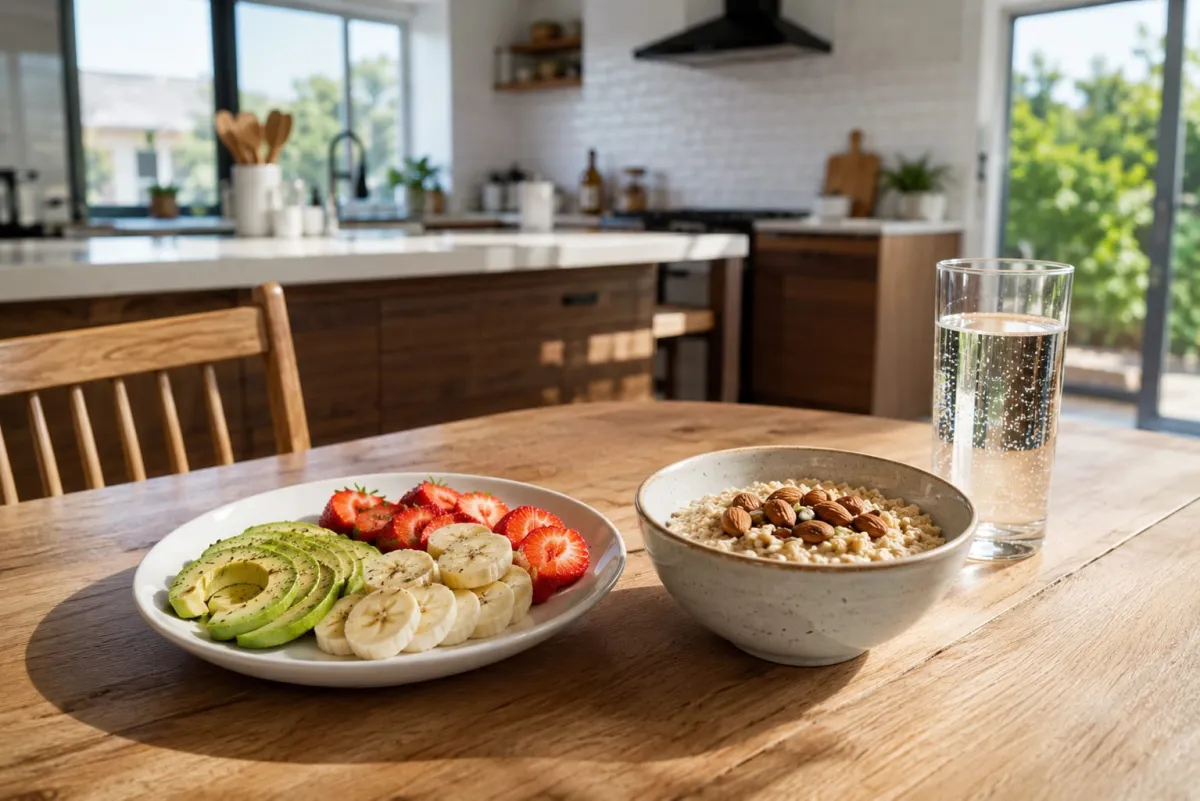
The true value of health is often realized only after the body begins to suffer from illness. In reality, maintaining a fit and strong body is an individual obligation—a form of gratitude for the life we are given. To live a healthy life means engaging in a dynamic, ongoing process to ensure that both body and mind function optimally, free from the constraints of preventable diseases.
Adopting a lifestyle aligned with the principles of medicine and fitness is not as complicated as it might seem. Below is a compilation of practical tips and tricks that you can immediately integrate into your daily routine to achieve a premium quality of life.
1. Maintain a Balanced and Nutrient-Dense Diet
The primary foundation of a fit body lies in what enters our digestive system. Food is not merely fuel to fill an empty stomach; it provides the essential building blocks for every single cell in our body.
- Understand Balanced Nutrition: Shift your focus from eating until you are full to eating to fulfill your nutritional needs. Ensure your plate contains complex carbohydrates (such as brown rice or sweet potatoes), lean proteins (fish, chicken, or tofu/tempeh), healthy fats, and plenty of fiber from vegetables and fruits.
- Control Sugar and Salt Intake: Modern processed foods and packaged beverages often contain hidden sugars that trigger obesity and diabetes. Reduce your consumption of artificial sweeteners and limit highly salted foods to keep your blood pressure stable.
- Fulfill Fluid Requirements: Do not wait until you are completely parched to drink water. Consume at least eight glasses, or about two liters, of plain water daily to assist the body's natural detoxification process and maintain cognitive focus.
2. Stay Active Through Regular Exercise
The human body is designed to move, not to remain sedentary in front of a screen all day long. Regular physical activity keeps the cardiovascular system strong and muscles toned.
- Consistency Trumps Intensity: You do not need to dive straight into exhausting, high-intensity workouts. Dedicating just 30 minutes a day to brisk walking, casual cycling, or swimming is highly effective. Aim to do this at least 3 to 5 times a week.
- Capitalize on Daily Activities: If your schedule is exceptionally tight, modify small habits. Take the stairs instead of the elevator, park your vehicle a bit farther from the entrance, or do light stretching intervals during office desk hours.
3. Manage Rest and Sleep Quality
Many people underestimate night sleep, viewing it as wasted time. In fact, it is during sleep that the body repairs damaged cells, consolidates memory, and rebalances hormones.
- Meet the Ideal Sleep Duration: Adults require between 7 to 8 hours of quality, uninterrupted sleep every night.
- Practice Good Sleep Hygiene: Put away smartphones, tablets, or televisions at least 30 minutes before shutting your eyes. A cool, dark room stimulates the production of melatonin, the hormone responsible for deep, restorative sleep.
4. Manage Stress and Mental Well-being
True health does not stop at physical strength; it encompasses a peaceful mind. Chronic, unmanaged stress triggers internal inflammation and drastically weakens the immune system.
- Allocate Time for Downtime: Dedicate a small portion of your day to hobbies, reading, or simply conversing with loved ones.
- Breathing Exercises and Meditation: When work pressure or life begins to feel overwhelming, take slow, deep breaths through your nose and exhale gently through your mouth. This simple technique is scientifically proven to lower heart rates and calm an overactive nervous system.
5. Uphold Personal and Environmental Hygiene
Physical health is heavily influenced by the cleanliness of our surroundings. Many illnesses stem from bacteria and viruses thriving in unhygienic spaces.
- Cultivate Handwashing Habits: Make washing your hands with soap and running water a non-negotiable ritual before eating, after using the restroom, or after spending time in public spaces.
- Maintain Living Spaces: Ensure that your home has excellent air circulation and receives optimal natural sunlight. A clean environment significantly minimizes the risk of respiratory issues and allergies.
Conclusion
Embracing a healthy lifestyle is not a crash course with an expiration date; it is a lifelong commitment. Small, intentional choices made disciplinedly every day accumulate into profound, positive impacts for your future. Start today by choosing cleaner foods, moving a little more, and granting your body its rightful rest. After all, a healthy body is the most valuable asset money cannot buy.