
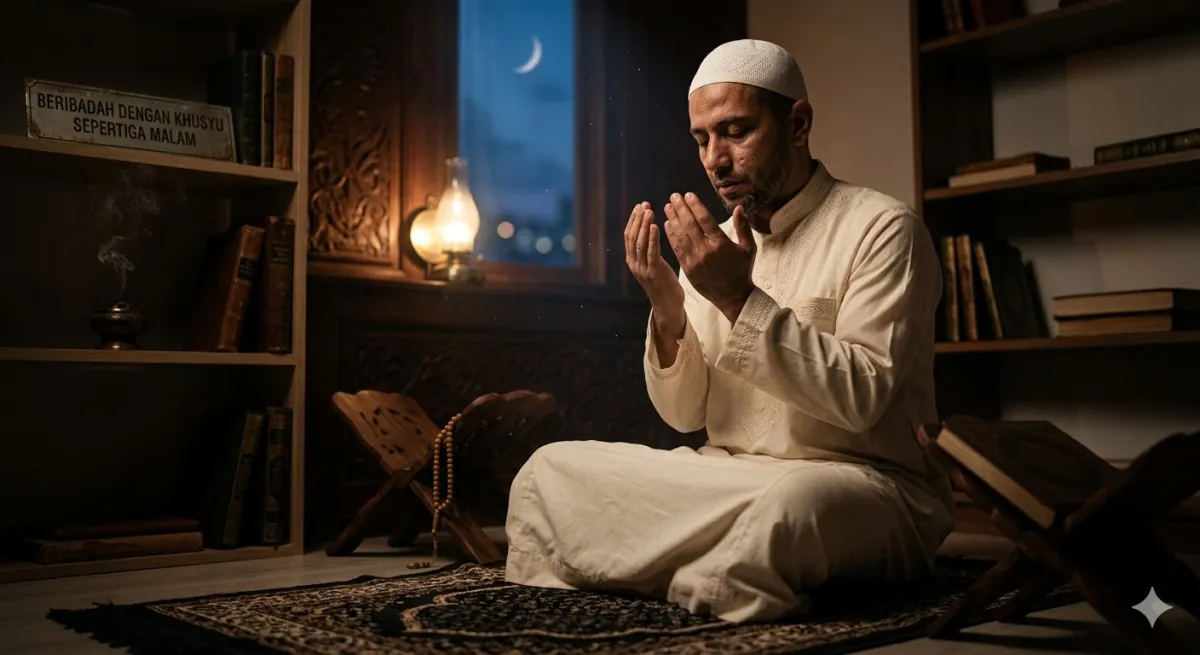
Worship (Ibadah) in Islam is fundamentally far more than a mechanical, routine ritual devoid of meaning. Beyond that, it serves as a sublime spiritual vehicle designed to align a servant's life vision with the will of the Creator. Every movement, woven prayer, and submission in prostration is a tangible manifestation of love, profound gratitude, and an acknowledgment of human limitations before the Almighty.
The fast-paced nature of modern life, filled with worldly distractions, frequently erodes the heart's tranquility and focus. Consequently, maintaining the continuity of devotion with absolute mindfulness stands as the core strategy to nurture optimism among the faithful amid uncertain times. When a Muslim establishes prayer or recites the holy verses of the Quran with deep emotional engagement, they are constructing a resilient mental fortress against negative emotional fluctuations and psychological stress.
Furthermore, high-quality worship fosters continuous moral and character development. The noble values of sincerity, time discipline, and social empathy taught within religious rites must transcend the physical boundaries of places of worship and manifest in everyday social interactions. It is this powerful synergy between ritual piety and social righteousness that will ultimately bridge the moral gap within communities, cultivating a harmonious, peaceful, and blessed societal ecosystem.